

Mixing Materials: The Fusion of Metal, Wood, and Glass in Contemporary Decor
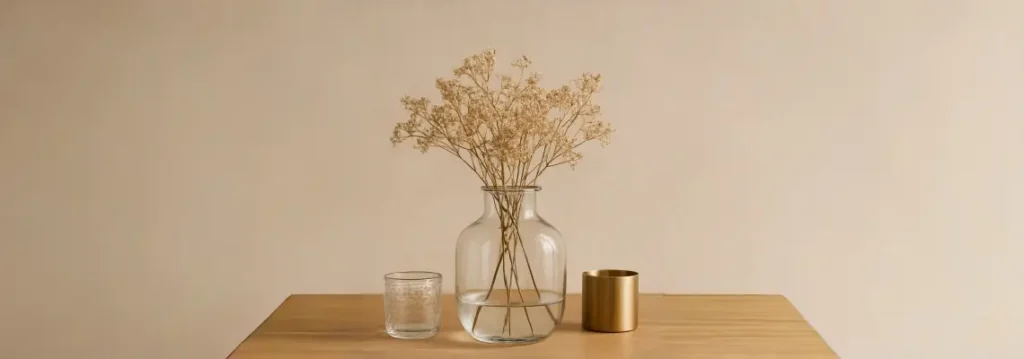
In today’s world of interior design, mixing materials has become more than a creative choice — it’s a design philosophy. The harmonious blend of metal, wood, and glass represents the perfect balance between industrial edge, natural warmth, and timeless elegance. This fusion is redefining how modern homes and commercial spaces express identity, texture, and lifestyle.
Why Material Fusion Is Shaping Modern Aesthetics
Designers and homeowners alike are moving away from single-material styles. Instead, they’re embracing layered, sensory experiences — spaces that tell a story through contrast.
- Metal introduces strength and sophistication.
- Wood adds warmth and organic comfort.
- Glass creates openness, light, and reflection.
Together, these materials embody modern authenticity: a look that’s sleek yet inviting, luxurious yet livable.
The key is balance — no one element should overpower the others. Instead, each should complement and elevate the overall mood of the room.
The Role of Glass in Mixed-Material Design
Transparency and Reflection
Glass is often the unifying element that ties contrasting materials together. Its transparent nature softens the heaviness of metal and highlights the grain and tone of wood. A glass tabletop on a metal frame, for example, creates a floating illusion that balances structure and airiness.
Light and Atmosphere
Glass also interacts beautifully with light — both natural and artificial. Frosted or tinted glass diffuses light softly, creating a cozy atmosphere, while clear glass enhances brightness and visual space. When paired with brushed brass or oak finishes, the result feels both contemporary and timeless.
Metal: The Structural Backbone
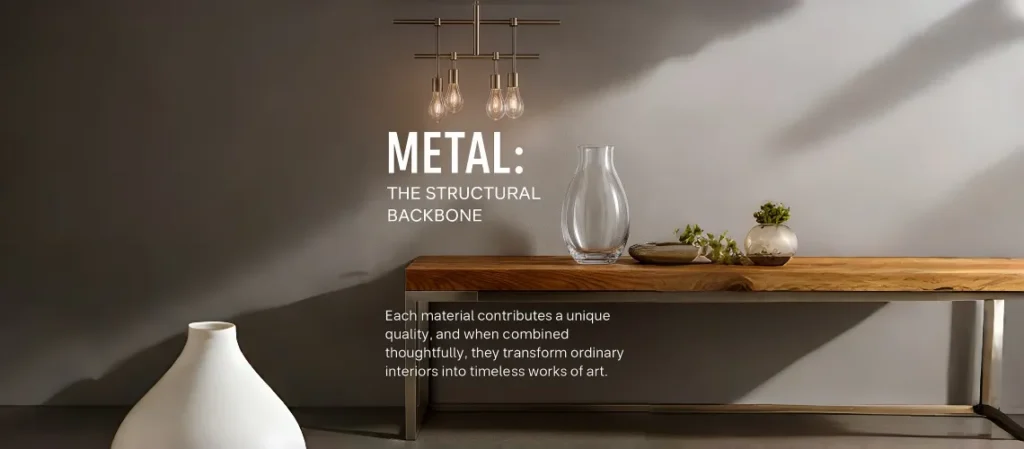
Metal is the anchor that brings definition and structure to a design. Whether it’s matte black steel, antique brass, or polished chrome, metal details add a modern industrial feel that contrasts beautifully with organic textures.
Think of:
- Brass candle holders paired with clear glass shades
- Iron-framed glass cabinets displaying wooden tableware
- Mixed metal and glass pendant lights over rustic wood tables
These combinations feel refined yet grounded, appealing to both minimalist and maximalist sensibilities.
Wood: The Heart of Warmth
Wood counterbalances the coolness of glass and metal. Its tactile grain and natural tones add comfort and human touch — essential for making a space feel like home.
Whether you’re using light ash, walnut, or reclaimed oak, pairing wood with glass creates harmony:
- Wooden coffee tables topped with glass
- Floating wood shelves with metal brackets
- Mixed-material bar carts combining wood frames and glass shelves
The fusion is not only visual but emotional — a blend of tradition and innovation.
How to Achieve the Perfect Material Balance
1. Start with a Dominant Material
Decide on a “hero” element — wood for warmth, metal for structure, or glass for lightness. Then, use the others to complement and enhance it.
2. Play with Texture
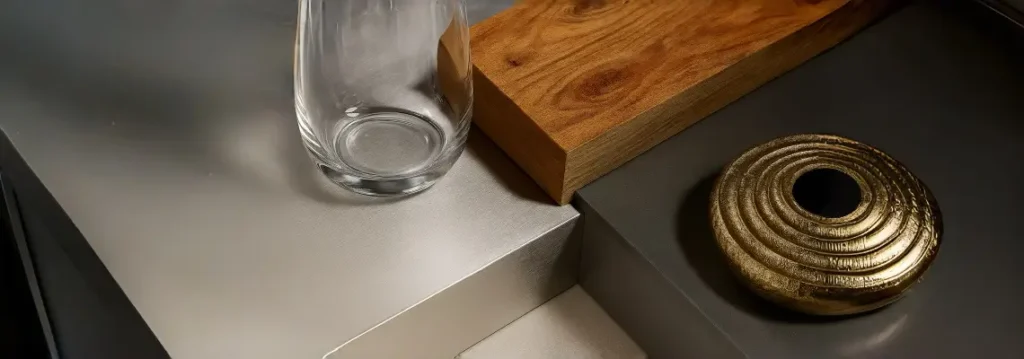
Contrast matte and glossy finishes to add depth. For instance, a rough wood surface beneath a polished glass vase instantly draws attention.
3. Keep Color Harmony
Use neutral tones (black, white, beige, soft metallics) to maintain visual coherence. The focus should be on texture and form, not loud color competition.
4. Integrate Function with Style
Select pieces that serve both practical and decorative purposes — glass vases, metal candle holders, or wood-framed mirrors that elevate daily living.
Why This Trend Resonates Globally
The global appeal of mixing materials lies in its adaptability. Whether Scandinavian minimalism, Japanese wabi-sabi, or urban industrial, this design approach works across cultures. It’s sustainable, customizable, and deeply personal — mirroring how we live, work, and express creativity today.
For glassware brands and suppliers, it also presents exciting opportunities: designing versatile pieces that fit into mixed-material environments, from luxury dining rooms to boutique hotels.
Learn how glassware trends are evolving for international markets:
👉 Global Glassware Market Outlook 2026: Growth Drivers & Consumer Trends
Final Thoughts
The fusion of metal, wood, and glass is more than a passing trend — it’s a celebration of balance. Each material contributes a unique quality, and when combined thoughtfully, they transform ordinary interiors into timeless works of art.
This philosophy perfectly aligns with today’s lifestyle values — sustainability, individuality, and understated sophistication. Whether through a hand-blown glass vase on a wooden console or a brushed-steel chandelier with glass accents, the magic lies in contrast and connection.
