

Sustainable Craftsmanship: The Rise of Eco-Conscious Glassmaking in 2025
In a world where sustainability isn’t just a buzz-word but a business imperative, glassmaking is undergoing its own transformation. At Handcrafted Recycled Glass Vase brand, HONOR LIVING Glass, we believe our craft should honour both beauty and the planet. This article takes you behind the scenes of our workshop, shows how we’re reducing our footprint and highlights why eco-conscious glassmaking is rising in 2025.
Why Glass Matters in the Sustainable Economy
Glass is more than just transparent and elegant—it’s fundamentally circular. According to industry research, recycled glass (cullet) requires far less energy to melt than raw materials. miglass.com+1 And because glass is 100% recyclable without loss of quality, it plays a key role in a resource-efficient economy. O-I For HONOR LIVING Glass, this means every piece starts with a sustainability mindset: sourcing recycled content, reducing furnace time, and minimizing waste.
From Raw Material to Artisan Piece: Our Green Workflow
Sourcing & Recycled Content
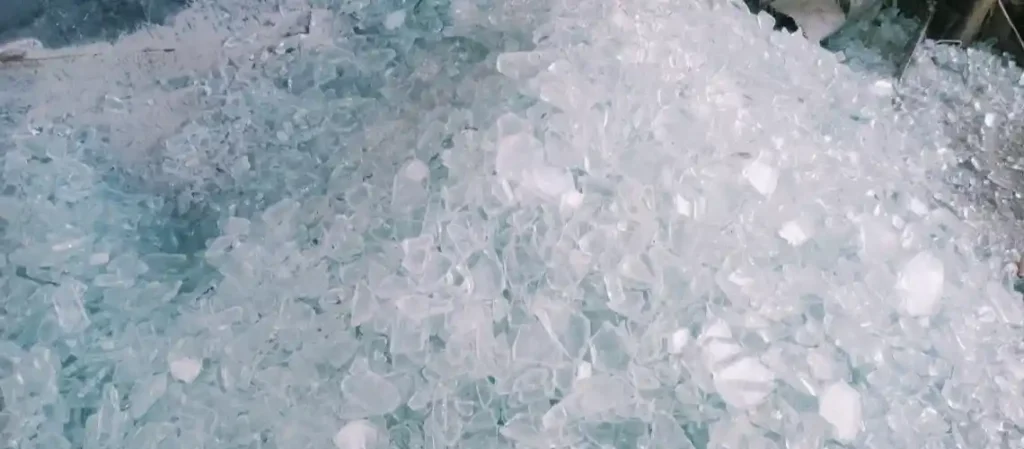
We begin by selecting silica sand, soda ash and limestone blended with high-quality cullet (post-consumer recycled glass). This mix reduces energy consumption and cuts CO₂ emissions. Studies show that each tonne of recycled glass can save substantial carbon output.
Low-Carbon Production Techniques
Our workshop uses electric melting furnaces powered partially by renewable energy. These technologies help us reduce the emissions associated with high-temperature glass forming.
Artisan Finishing with Purpose
Once the molten glass is shaped by our skilled artisans, each vessel is hand-finished and inspected. Because of our eco-workflow, you’ll find that our eco-friendly vases such as the Recycled Glass Balloon Vase carry both aesthetic charm and sustainability credentials.
Why 2025 Is a Pivotal Year for Eco-Conscious Glassmaking
The glass industry today is facing new pressures: climate goals, waste regulations and consumer demand for greener décor. A comprehensive review notes that decarbonizing glass production is “a necessity” rather than a choice. In 2025, more manufacturers are adopting hydrogen-based furnaces, closed-loop recycling and digital process controls to achieve net-zero targets. We at HONOR LIVING Glass are proud to be part of this shift.
How You, the Buyer, Make a Difference
When you choose a glass décor piece from HONOR LIVING Glass—say a colourful artisan vase—you’re making a statement. You’re supporting:
Looking Ahead: What’s Next for Sustainable Glass
As we move forward, our ambitions include achieving 60% cullet in every batch, shifting to 100% renewable energy in our workshops by 2030, and launching a take-back programme for old glass décor items. We believe true craftsmanship isn’t just about finish—it’s about future.
Looking for supplier? → link to https://supplier.honorlivingglass.com
