
Buyer’s Guide: How to Choose the Right Glassware for International Import and Export
In the global marketplace, glassware plays a pivotal role in industries ranging from food and beverage packaging to home decor and laboratory equipment. Whether you’re a retailer sourcing elegant stemware for high-end markets or a manufacturer importing bulk containers for export, selecting the right glassware is crucial for success. This guide aims to equip buyers with comprehensive knowledge on navigating the complexities of international import and export. We’ll cover everything from material types to compliance standards, ensuring you make informed decisions that minimize risks and maximize value.
Glassware trade has seen exponential growth, with global exports surpassing $50 billion annually according to recent industry reports. Factors like sustainability, customization, and supply chain reliability are increasingly influencing choices. By the end of this article, you’ll understand how to evaluate suppliers, assess quality, and handle logistics effectively. For more on our range of glass products, check out our products page.

Types of Glassware
Understanding the various types of glassware is the foundation of smart purchasing. Different compositions offer unique properties suited to specific applications, especially in international trade where durability during transit is key.
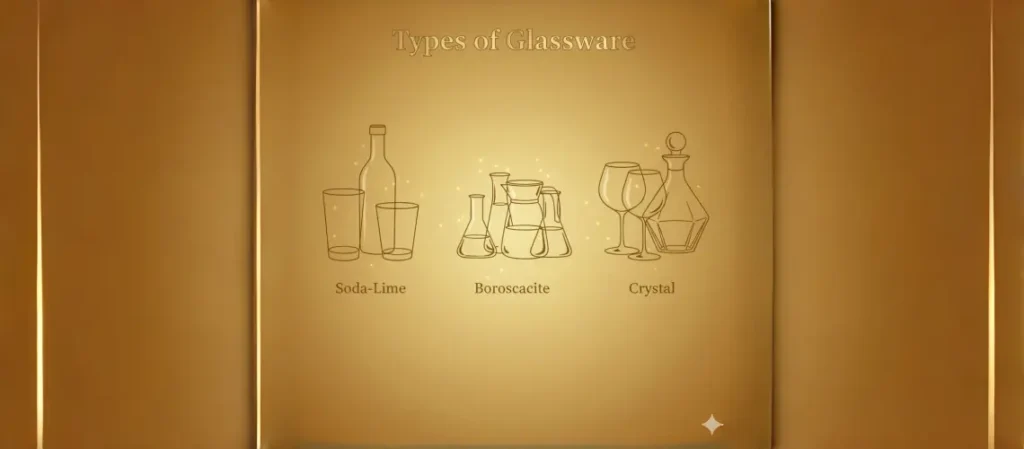
Soda-Lime Glass
Soda-lime glass is the most common type, comprising about 90% of all glass produced worldwide. Made from silica, soda ash, and lime, it’s affordable and versatile, ideal for everyday items like jars, bottles, and tableware. Its melting point is lower, making production cost-effective, but it’s less resistant to thermal shock compared to other types.
For international import/export, soda-lime glass is popular for food packaging due to its recyclability and compliance with global standards. However, buyers should note its susceptibility to breakage if not properly annealed. When sourcing from regions like China or Europe, prioritize suppliers who use high-purity raw materials to avoid impurities that could affect clarity. Explore our soda-lime options on the glass jars section.
Borosilicate Glass
Borosilicate glass, known for brands like Pyrex, incorporates boron oxide for enhanced thermal resistance. This makes it perfect for laboratory glassware, cookware, and items exposed to temperature fluctuations. It’s stronger and more durable, with a lower coefficient of expansion, reducing the risk of cracking during shipping across climates.
In export scenarios, borosilicate is favored for high-value shipments where product integrity is paramount. Its chemical resistance also suits pharmaceutical and cosmetic packaging. When importing, verify the boron content (typically 5-13%) to ensure authenticity. For detailed specs, refer to the International Organization for Standardization’s guidelines at ISO website.
Crystal Glass
Crystal glass, often leaded or lead-free, offers superior brilliance and refractive qualities, making it a premium choice for decorative and luxury tableware. Lead crystal (containing 24%+ lead oxide) provides that signature sparkle but raises environmental concerns in some markets. Lead-free alternatives use barium or zinc for similar effects.
For international trade, crystal glass demands careful handling due to its fragility. It’s commonly exported from Europe to high-end markets in Asia and North America. Buyers should assess the cut and polish for quality—hand-cut pieces fetch higher prices.
Key Factors in Selecting Glassware
Once you’ve identified the type, several critical factors come into play. These ensure the glassware meets your business needs while adhering to international regulations.

Quality and Durability
Quality assessment starts with physical attributes: thickness, clarity, weight, and sound. High-quality glassware should have uniform thickness (at least 2-3mm for bottles) to withstand pressure during export. Clarity indicates purity—avoid hazy pieces that suggest defects. Weight provides a sense of sturdiness; heavier items often denote better material density.
Durability testing involves checking for annealing marks and stress points. In import/export, opt for glassware that passes drop tests or thermal shock evaluations. Suppliers should provide certificates from third-party labs. For tips on durability, visit the American Society for Testing and Materials at ASTM International.
Compliance and Certifications
International trade mandates strict compliance to avoid customs seizures or recalls. Key standards include FDA approval for food-contact glassware in the US, ensuring no harmful leaching. In the EU, REACH regulations govern chemical safety, while China’s GB standards focus on lead and cadmium limits.
Certifications like ISO 9001 for quality management and ISO 14001 for environmental practices are essential. For export to multiple countries, harmonized standards save time. Always request Material Safety Data Sheets (MSDS) from suppliers. For global food safety info, link to FDA’s glassware guidelines.
Cost Considerations
Balancing cost with quality is tricky in global sourcing. Bulk imports from Asia can reduce unit prices by 30-50%, but factor in tariffs, shipping, and potential duties. For instance, US-China trade tensions have increased costs via Section 301 tariffs.
Evaluate total landed cost: raw material prices, manufacturing, packaging, and logistics. Negotiate MOQs (Minimum Order Quantities) to suit your scale—start small for testing. Currency fluctuations also impact exports; hedge with forward contracts. Compare pricing models on platforms like Alibaba, but verify through direct supplier contact.
Design and Aesthetics
Aesthetics drive consumer appeal, especially for retail glassware. Consider shapes (e.g., ergonomic handles for export mugs), colors, and customizations like etching or printing. In international markets, cultural preferences matter—elegant stems for European wine glasses versus sturdy tumblers for Asian markets.
Sustainability trends favor eco-friendly designs, like recycled glass. Ensure designs comply with ergonomic standards to reduce breakage risks during transit.
Sourcing Reliable Suppliers
Finding trustworthy suppliers is half the battle in international glassware trade.

Researching Manufacturers
Start with directories like Alibaba or ThomasNet, filtering by verified status and trade history. Focus on regions: China for cost-efficiency, Europe for premium quality. Check reviews, audit reports, and factory videos.
Attend trade shows like Canton Fair or Ambiente for direct interactions. Use tools like ImportGenius for shipment data insights. Our supplier network is highlighted on the about us.
Evaluating Samples
Always request samples before bulk orders. Test for defects, measure dimensions, and simulate shipping conditions. Third-party inspections (e.g., via SGS) cost $200-500 but prevent costly errors. In export scenarios, samples help gauge market fit.
Packaging and Shipping for International Trade
Proper packaging ensures glassware arrives intact, crucial for maintaining profit margins.

Protective Packaging
Use foam inserts, bubble wrap, and corrugated boxes rated for fragility. Palletize shipments with shrink wrap for stability. For sea freight, moisture-resistant materials prevent mold. Eco-friendly options like biodegradable peanuts appeal to green markets.
Label clearly with “Fragile” and handling instructions. Compliance with IATA for air shipments is vital.
Logistics and Customs
Choose reliable forwarders like DHL or Maersk for door-to-door service. Understand Incoterms (e.g., FOB vs. CIF) to allocate risks. Customs documentation includes commercial invoices, packing lists, and certificates of origin.
Tariffs vary: HS code 7013 for table glassware attracts 5-10% duties in many countries. Track shipments via GPS for real-time updates. For export tips, refer to World Customs Organization.
Common Pitfalls to Avoid
Beware of counterfeit certifications, over-reliance on low prices leading to subpar quality, and ignoring cultural regulations (e.g., halal certifications for Middle East exports). Always diversify suppliers to mitigate geopolitical risks, like supply chain disruptions from events in major producing countries.

Conclusion
Choosing the right glassware for international import and export demands a blend of technical knowledge, market insight, and strategic planning. By focusing on types, quality factors, supplier vetting, and logistics, you can build a resilient supply chain. At Honor Living Glass, we’re committed to providing top-tier solutions—contact us via our contact page for personalized advice.
Remember, thorough due diligence pays off in long-term partnerships and customer satisfaction. Stay updated with industry trends through resources like the Glass Packaging Institute at GPI website. Happy sourcing!
Looking for supplier? → link to https://supplier.honorlivingglass.com